
Interpreting
OPI, VRI, or On-Site: How to Choose the Right Interpreting
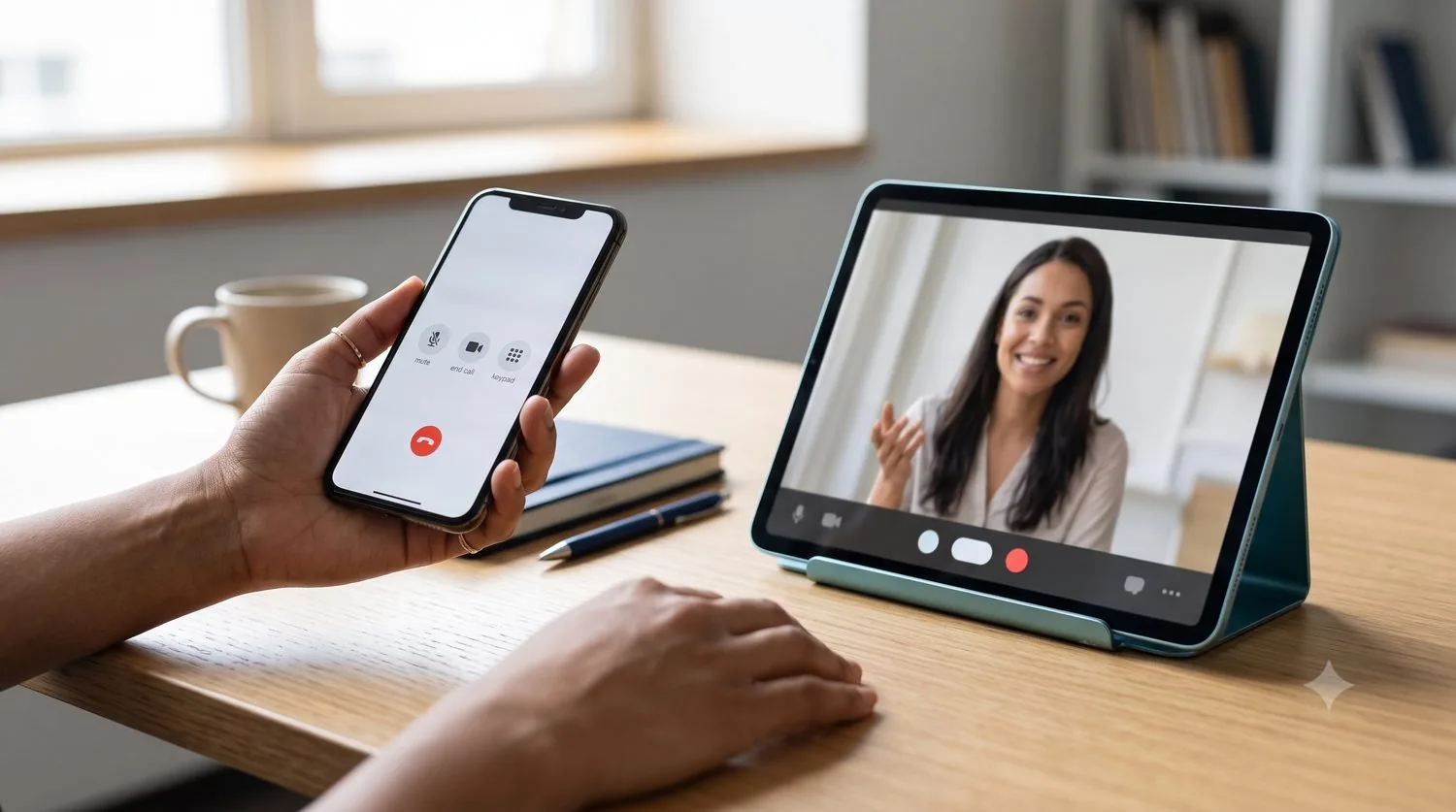
Choose over-the-phone interpreting (OPI) for urgent, unplanned, audio-only conversations; video remote interpreting (VRI) when you need visual cues or sign language but not a person in the room; and on-site interpreting for complex, sensitive, or all-day encounters where physical presence matters most. Each fits a different moment.
What is over-the-phone interpreting (OPI)?
OPI connects you to a live interpreter by phone, on demand and around the clock. There is no equipment to set up beyond a telephone or a speakerphone, and no appointment to schedule. Because a professional can join in seconds, OPI is ideal for urgent or unpredictable situations: an emergency room intake at 3 a.m., a customer-service call, or a quick clarifying question during a longer visit.
The tradeoff is that phone interpreting is audio only. Interpreters cannot see facial expressions, documents, or body language, which can slow down emotionally charged or highly detailed conversations. It is also unsuitable for sign language, which is inherently visual.
What is video remote interpreting (VRI)?
VRI connects you to an interpreter over a live video link on a tablet, laptop, or dedicated cart. It combines much of the speed of OPI with the visual context of being face to face. You can usually connect on demand, and the interpreter can see gestures, expressions, and the general setting.
VRI is the practical choice for American Sign Language (ASL) and other signed languages, since signing must be seen to be understood. It also helps in appointments where visual cues carry meaning, such as explaining a diagnosis or reading a patient’s discomfort. The main requirements are a reliable internet connection, a camera, and a screen large enough for clear viewing. Poor bandwidth or an awkward camera angle can undermine the session, so a little setup pays off.
What is on-site (in-person) interpreting?
On-site interpreting places a qualified interpreter physically in the room with you. Nothing beats in-person presence for building rapport, managing group dynamics, and handling the most complex or emotionally weighty encounters. It is the strongest option for legal proceedings, mental-health sessions, lengthy medical consultations, community meetings, and any all-day event.
Because an interpreter travels to your location, on-site interpreting is typically scheduled in advance and costs more than remote options. It is worth it when accuracy, trust, and human presence outweigh the convenience of connecting instantly.
How do the three options compare?
- OPI, fastest and most flexible; audio only; best for urgent, unplanned, or short interactions; no equipment beyond a phone.
- VRI, near-instant with visual context; requires a screen and stable internet; best for ASL and visually oriented encounters.
- On-site, full presence and rapport; scheduled in advance; best for complex, sensitive, or all-day sessions.
When should you schedule versus request on demand?
Request an interpreter on demand when timing is unpredictable or immediate: walk-in patients, inbound calls, emergencies, or brief exchanges. Phone and video both support on-demand access at any hour.
Schedule in advance when you know the date, expect a longer or higher-stakes conversation, need a specific language or a rare dialect, or require an interpreter on-site. Scheduling lets you match the encounter with an interpreter who has the right subject-matter experience and gives everyone time to prepare.
What about ASL and other special considerations?
Sign language is always visual, so it is delivered through VRI or on-site interpreting, never by phone. For Deaf and hard-of-hearing clients, choose VRI when you need quick access and on-site when the encounter is long, sensitive, or involves multiple participants. In every modality, insist on interpreters who are certified or otherwise qualified for the setting. For healthcare, MLT’s medical interpreters are trained to CCHI and NBCMI standards, so terminology and protocol are handled correctly.
How does MLT deliver all three?
MultiLingual Technologies provides OPI, VRI, and on-site interpreting across 300+ languages, both on demand 24/7 and by advance scheduling. Phone and video connect around the clock, while on-site and ASL services are arranged to fit your location and timeline. With 20+ years as a US-based, ATA member firm, MLT pairs each encounter with certified or otherwise qualified interpreters and backs the whole operation with InterpretManager, our own interpreter management platform, so requests are routed quickly and reliably. Learn more about our interpreting services.
Not sure which modality fits your organization? Contact MLT and we will help you build the right mix, or call 408-970-9586.
Frequently asked questions
Is video interpreting as accurate as having someone in the room?
For most conversations, yes. VRI gives the interpreter the visual cues they need while connecting quickly. For very long, complex, or emotionally sensitive encounters, on-site interpreting is still the strongest choice.
Can I get an interpreter without booking ahead?
Yes. MLT’s phone and video interpreting are available on demand, 24/7. You can connect with a qualified interpreter in seconds, at any hour, in 300+ languages.
How do I request ASL interpreting?
ASL is offered through video remote interpreting for fast access and on-site interpreting for longer or higher-stakes appointments. Tell MLT the date, setting, and length, and we will arrange the right format.
Need certified translation or interpreting?
Tell us what you need and we’ll send a clear, no-obligation quote, usually within one business day.
Get a free quote