
Services · Video Translation
Make your video speak every language.
Subtitles, captions, voiceover, and dubbing that carry your video into 300+ languages, and meet accessibility standards. Human linguists and native voice talent, not raw machine subtitles.
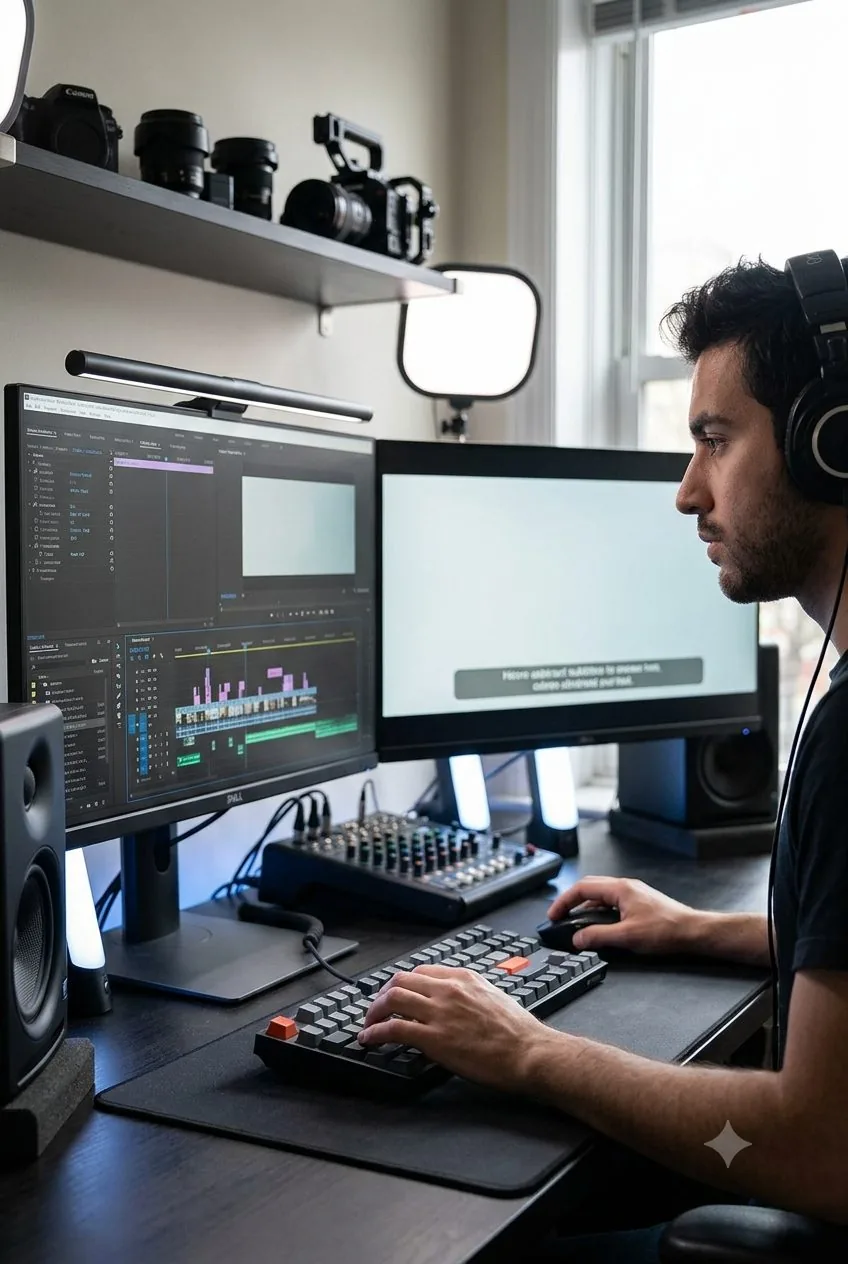
Video translation adapts spoken dialogue, on-screen text, and graphics so video works for audiences in another language and meets accessibility standards. It spans subtitling, captioning (including SDH), voiceover, and dubbing, each suited to different content, budgets, and goals.
Why it matters
Video is your most-watched content, in one language
Two reasons to translate it well: reach, and the accessibility rules that increasingly require it.
One asset, every audience
A single-language video reaches a single-language audience. Subtitles, voiceover, and dubbing let one asset serve global markets, expanding reach, watch-time, and comprehension. Subtitles keep the original voice at the lowest cost; voiceover and dubbing deliver a fully native experience.
Accessibility isn't optional
In the U.S., Section 508 requires federal and federally funded video to meet WCAG captions and audio description, the ADA is widely read to require WCAG AA for public-facing video, and the FCC governs caption quality on TV and streaming. Missing or poor captions are both an access gap and legal exposure.
Sources: Verizon Media & Publicis Media (2019) · Sandvine Global Internet Phenomena (2023).
Built to be accessible
The standards your video has to meet
We deliver to the accessibility rules and platform specs your content is judged against.
WCAG 2.x AA captions
Synchronized captions for prerecorded audio (SC 1.2.2), the baseline for accessible video, and what most policies point to.
Section 508
Federal and federally funded synchronized media must meet WCAG A/AA, captions plus audio description for prerecorded video.
FCC caption quality
For TV and streamed programming, captions must meet FCC standards for accuracy, synchronization, completeness, and placement.
SDH for deaf & hard-of-hearing
Captions that add speaker labels and sound and music cues, not just dialogue, so the whole experience is accessible.
Every subtitle format
SRT, WebVTT, and TTML/DFXP files, plus burned-in (open) captions when you need them baked into the video.
Platform & reading-speed specs
Timing condensed to reading-speed norms and built to the delivery specs of the streaming and broadcast platforms you publish on.
Standards referenced: Section 508 synchronized media · WCAG 2.1 · FCC captioning (47 CFR §79.1).
What we produce
Text on screen, or a new voice
The two ways to localize a video, often used together, with human linguists behind both.
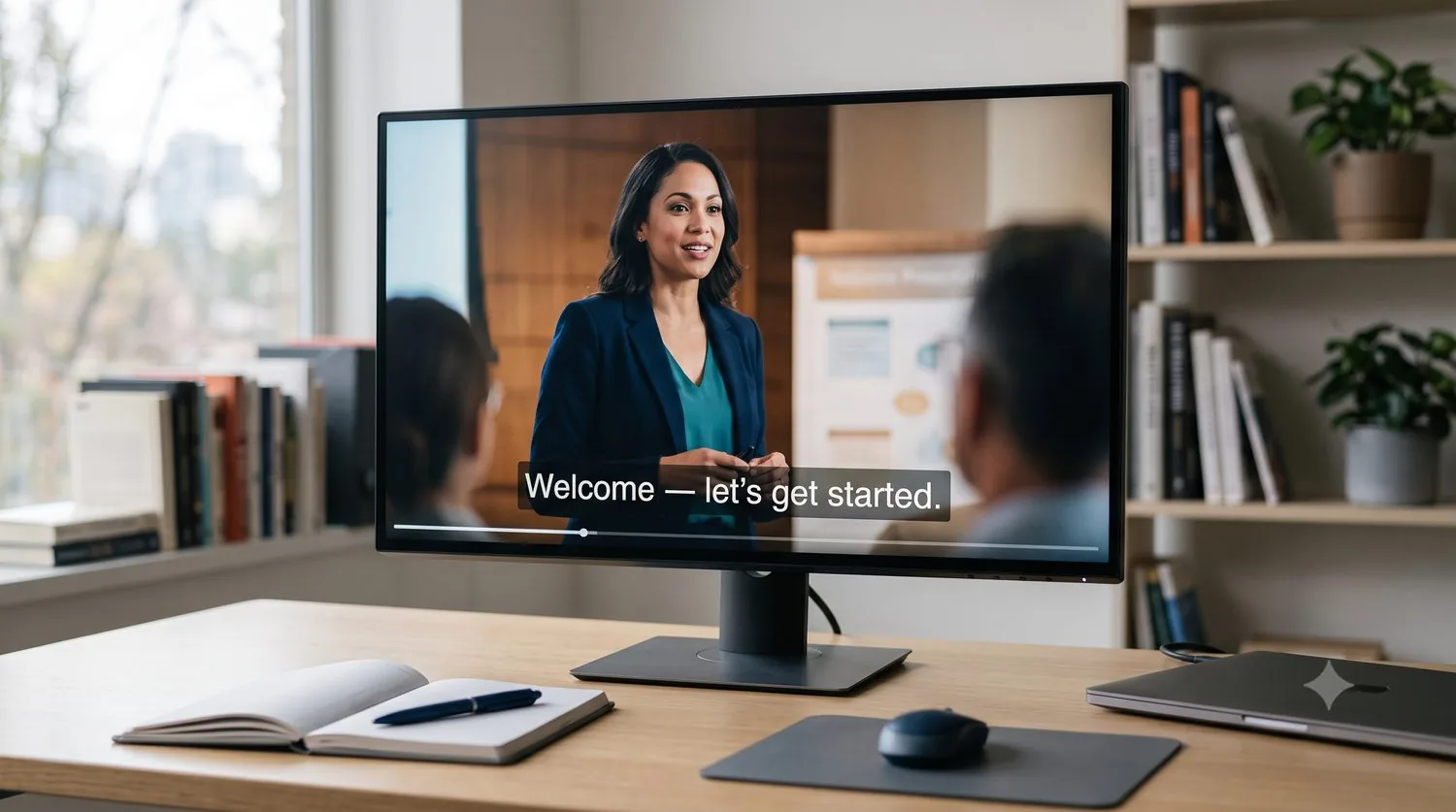
Subtitles & captions
Fast, lowest-cost, and accessible, translated on-screen text that keeps the original voice.
- Translated subtitles in 300+ languages
- Closed captions & SDH for accessibility
- Open (burned-in) captions on request
- SRT, WebVTT & TTML delivery
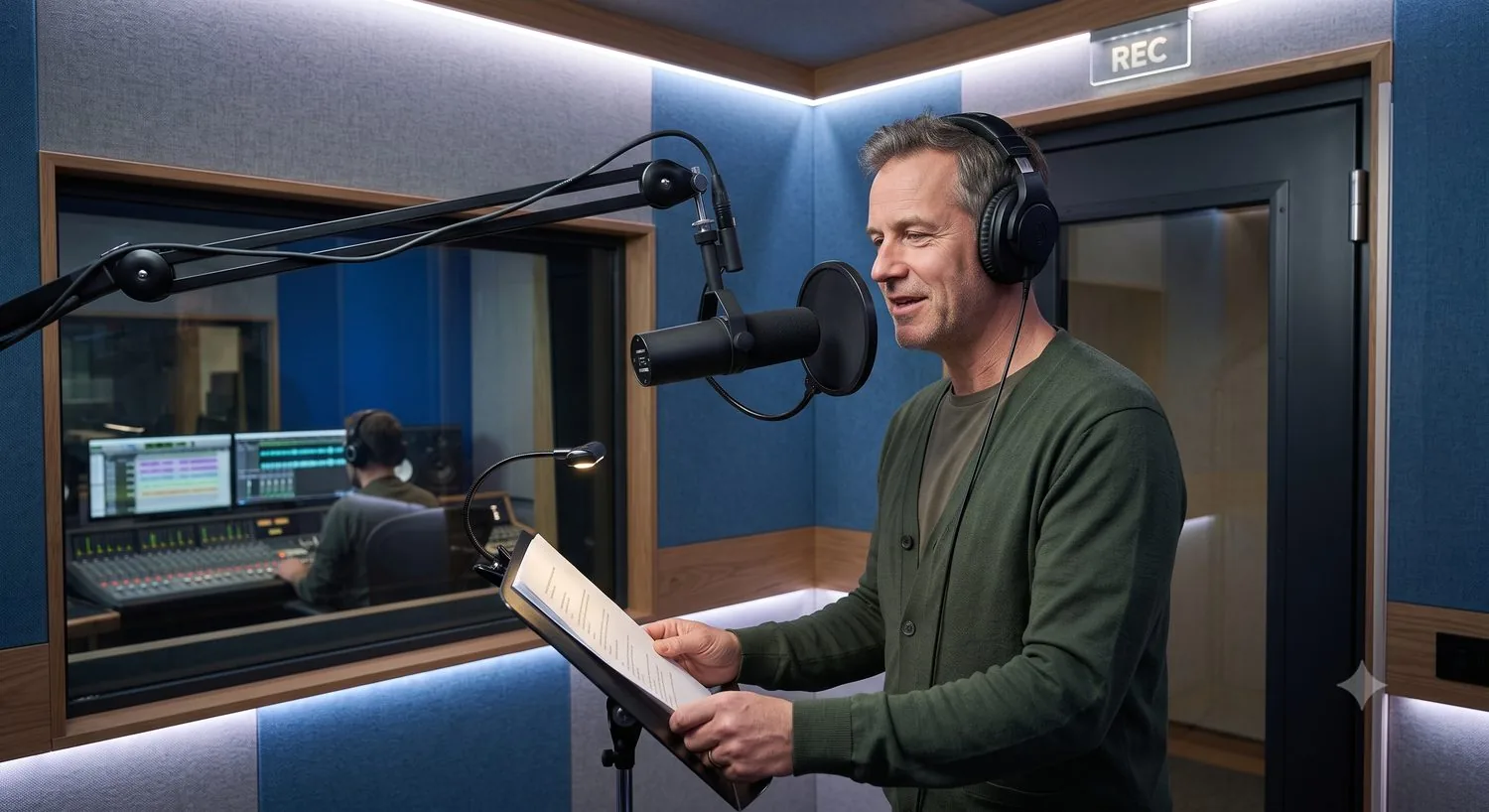
Voiceover & dubbing
A native viewing experience, a new voice track over, or in place of, the original.
- UN-style & off-screen voiceover
- Lip-sync dubbing & dialogue replacement
- Native voice talent, cast to your content
- On-screen text & graphics localization
Where it's used
Video worth translating, wherever it runs
From a social ad to a full training library.
- Ads & brand video
- Social & short-form content
- Product launches
- Adapted to land in-market
- Course & module localization
- Translated narration & subtitles
- On-screen text & graphics
- SCORM / LMS-ready assets
- Town halls & leadership updates
- Product & internal video
- HR, safety & compliance
- For a multilingual workforce
- WCAG / Section 508 caption packages
- SDH for deaf & hard-of-hearing
- 508-compliant transcripts
- Audio description on request
Not sure which mode fits? Tell us your content, audience, and platform, we'll recommend the right mix.
Have a video to localize?
Send it over with your target languages and platform, you'll get a clear quote and a recommendation on subtitles, voiceover, or dubbing.
Why MLT
Why teams trust us with their video
Human quality, not raw AI
Certified linguists and native voice talent, the accuracy and cultural nuance machine subtitles miss.
Full scope in one place
Subtitles, captions, voiceover, dubbing, and on-screen graphics, no stitching a captioning vendor to a dubbing studio.
Accessibility built in
Deliverables aligned to WCAG 2.x AA, Section 508, and FCC caption quality, not bolted on at the end.
20+ years, 300+ languages
Subject-matter accuracy across healthcare, legal, finance, education, and tech, at global scale.
Pick the right mode
Subtitles vs. voiceover vs. dubbing
| Subtitles | Voiceover | Dubbing | |
|---|---|---|---|
| What it is | Translated on-screen text | New track over the original | Original audio replaced |
| Best for | Marketing & social, lowest cost | Training & corporate | Premium & entertainment |
FAQ
Video translation questions
Subtitles are translated on-screen text of the dialogue, for viewers who can hear but don't speak the language. Captions (and SDH) assume the viewer can't hear the audio and add speaker labels and sound cues for accessibility. Dubbing replaces the original audio with a new-language voice track (lip-sync or dialogue replacement); voiceover lays a new track over the original, which stays faintly audible.
Often, yes. Section 508 requires WCAG captions and audio description for federal and federally funded content, the ADA is widely read to require WCAG AA for public-facing video, and the FCC governs caption quality for TV and streaming. We build to these standards.
Subtitles are fastest and lowest-cost and keep the original voice, good for marketing and social. Voiceover suits training, corporate, and documentary content. Lip-sync dubbing gives the most immersive experience for premium and entertainment video. We'll recommend based on your content, audience, and budget.
Subtitle and caption files in SRT, WebVTT, and TTML/DFXP; burned-in (open) captions; mixed or mastered audio for voiceover and dubbing; and LMS/SCORM-ready packages for e-learning.
Yes. We translate and rebuild titles, lower-thirds, diagrams, and UI captures, adapting layout for text expansion, and fully localize e-learning video, including narration, subtitles, and on-screen elements.
300+ languages, with native voice talent and subject-matter linguists for accuracy in specialized content.
One US-based partner for interpreting, certified documents, and AI-assisted translation, verified by professional human linguists.
Your video, in every language.
Send us your video and target languages, you'll get a clear, itemized quote and the right mix of subtitles, voiceover, and dubbing.